
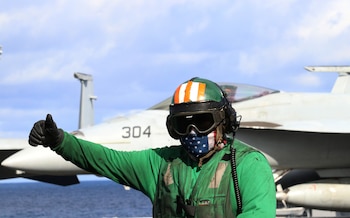
Diez caminos de acción, desde negociaciones hasta ataques armados, configuran el panorama actual de la crisis entre Estados Unidos e Irán (Reuters)
10 Possible Scenarios as Tensions Rise Between the U.S. and Iran
As negotiations between Washington and Tehran appear to be running out of room, the Atlantic Council has published an unusual and wide-ranging analysis examining the military and diplomatic options reportedly under consideration by the administration of Donald Trump.
The report comes at a moment of heightened strain between the United States and Iran, as disputes over sanctions, regional security, and Tehran’s nuclear ambitions deepen. While no final decisions have been announced, the think tank outlines ten plausible scenarios — ranging from renewed diplomacy to open confrontation.

1. Return to Structured Negotiations
Washington and Tehran could re-enter formal talks, potentially mediated by European or regional powers, aimed at reviving or replacing prior nuclear agreements.
2. Limited Sanctions Relief for Compliance
The U.S. might offer targeted sanctions relief in exchange for verifiable Iranian steps to curb uranium enrichment and expand international inspections.
3. Covert Operations and Cyber Activity
Both sides could intensify cyber operations or covert actions designed to disrupt military or nuclear infrastructure without triggering full-scale war.
4. Maritime Confrontations in the Gulf
Escalations in the Persian Gulf — including seizures of commercial vessels or naval standoffs — could increase pressure while remaining below the threshold of declared war.
5. Proxy Escalation Across the Region
Iran-backed militias and U.S.-aligned forces in Iraq, Syria, or elsewhere could engage in indirect clashes, raising the risk of miscalculation.
6. Targeted Military Strikes
The U.S. could carry out limited airstrikes against Iranian facilities if it determines that diplomatic avenues have been exhausted.
7. Iranian Nuclear Acceleration
Tehran might respond to mounting pressure by accelerating aspects of its nuclear program, prompting international alarm.
8. Regional Diplomatic Realignment
Neighboring states could pursue new security arrangements, reshaping alliances across the Middle East in response to uncertainty.
9. Domestic Political Constraints
Internal political dynamics in both Washington and Tehran could narrow leaders’ room for maneuver, influencing the pace and tone of decision-making.
10. Full-Scale Military Conflict
Though widely viewed as a last resort, the possibility of direct armed conflict remains the most severe — and destabilizing — outcome.

Analysts at the Atlantic Council emphasize that none of these scenarios is inevitable. Rather, they illustrate the range of strategic choices facing policymakers as tensions mount. The coming months, they argue, will test whether diplomacy can still prevail or whether escalation becomes increasingly difficult to avoid.


0 Comments