
U.S. Forces Intercept Iranian-Linked Oil Tanker Veronica III in Indian Ocean After Trans-Ocean Chase
By tracking the ship from the Caribbean Sea to the Indian Ocean, U.S. military forces have again demonstrated their determination to enforce sanctions and disrupt illicit oil shipments tied to Venezuelan and Iranian interests. The operation represents a global extension of U.S. naval power and part of a broader strategy to choke off unauthorized crude exports. (infobae)
Long-Distance Pursuit and Boarding Operation
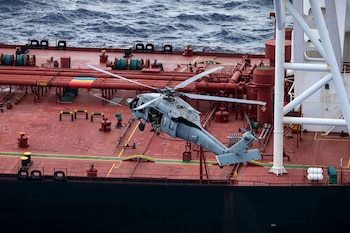
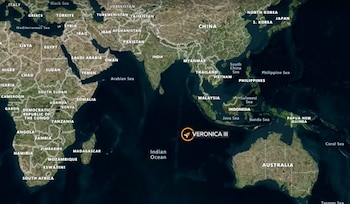
On February 15, 2026, U.S. military forces conducted a maritime interdiction and boarding of the Veronica III in the Indian Ocean, according to official statements from the Department of War. The tanker had been under surveillance after fleeing the Caribbean Sea — where it had been evading enforcement of U.S. sanctions — and attempted to escape into open waters by crossing into the Eastern Hemisphere. (infobae)
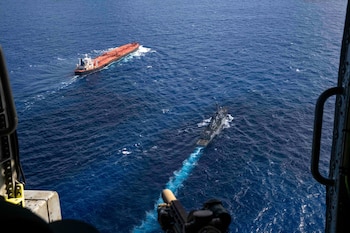
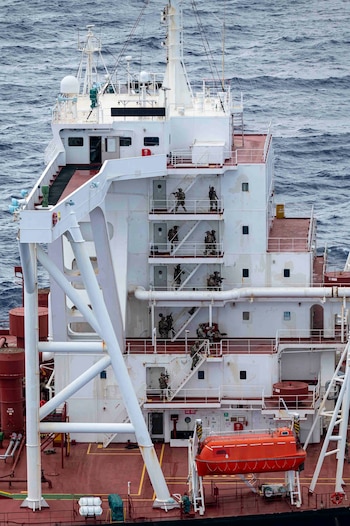
Images and video released by the U.S. authorities show helicopters and naval vessels approaching the tanker, with U.S. personnel boarding the ship without incident. Forces tracked the vessel from the Caribbean to the Indian Ocean before closing the distance and carrying out the operation, which was described in Pentagon posts on the social platform X. (The Times of India)
Sanctions, “Ghost Fleets,” and U.S. Policy
The Veronica III is reported to be a Panamanian-flagged tanker that was on the U.S. sanctions list for transporting crude oil in violation of international restrictions. U.S. authorities allege the vessel has links to the so-called “ghost fleet” — a network of tankers that repeatedly change names, flags, and ownership to obscure their operations and circumvent sanctions regimes imposed on countries such as Venezuela and Iran. (infobae)
Since late 2025, the U.S. government under President Donald Trump has stepped up enforcement measures targeting oil shipments tied to Venezuela’s former president, Nicolás Maduro, and other sanctioned actors. In December 2025, Trump ordered a naval quarantine of sanctioned vessels, signaling a more aggressive posture toward interrupting unauthorized oil exports and enforcing penalties. (The Times of India)
The Veronica III operation follows a pattern of similar interdictions, including boardings of other tankers such as the Aquila II in the Indian Ocean, which was tracked and stopped in a related enforcement effort. (AP News)
Strategic Implications and International Responses
The U.S. operation highlights how American military and security forces are applying pressure well beyond the Western Hemisphere to enforce sanction regimes. The messages accompanying the operation stressed that “international waters are not sanctuary,” and warned other vessels against attempting to evade enforcement by fleeing into distant oceans. (The Times of India)
While the operation was described as proceeding “without incident,” the legal status of the tanker’s seizure and the fate of its cargo remain under review by U.S. authorities. Officials have not disclosed where the Veronica III will be escorted or whether it will be formally taken under U.S. control. (AP News)
Broader Context: Shadow Fleets and Sanctions Evasion
The Veronica III case underscores the challenges faced by international regulators trying to enforce sanctions on energy exports. Shadow fleets — comprised of older tankers with obscured ownership and falsified documentation — have been used by sanctioned governments and intermediaries to continue moving crude oil despite international restrictions. These fleets take advantage of loopholes in maritime oversight, including turning off automatic tracking systems or reflagging ships to disguise their identities. (Wikipedia)
Analysts say that operations like this one signal to other participants in shadow fleets that the risk of interdiction is rising — even in remote waters far from the original point of departure. This may impact global shipping practices, insurance costs for flagged tankers, and how sanctions enforcement is negotiated among states. (Wikipedia)
Conclusion: A New Chapter in Maritime Sanctions Enforcement
The interdiction of the Veronica III in the Indian Ocean represents a noteworthy escalation in the U.S. campaign to enforce sanctions and disrupt unauthorized oil movements. By tracking the vessel over thousands of miles and executing a coordinated boarding operation, U.S. forces demonstrated their capacity and willingness to pursue sanctioned targets across global maritime routes. As the international community watches, the long-term implications for energy markets and sanctions policy are likely to unfold in the coming months. (infobae)


0 Comments