

Diet and Sexual Desire: Why It’s Not Just Strawberries and Chocolate — Spinach and Nuts Can Be Aphrodisiacs Too
By adapting insights from chefs, nutritionists, and sexologists, this article explores how our diet influences sexual desire, libido, and intimate connection — and why the effects go well beyond romantic clichés like strawberries dipped in chocolate. (infobae)
The Romantic Link Between Food and Intimacy
For centuries, food and romance have been intertwined. Sharing a meal can be one of the most intimate rituals couples experience — a slow dinner with meaningful conversation sets the stage for connection, emotional closeness, and sometimes, sexual desire. (infobae)
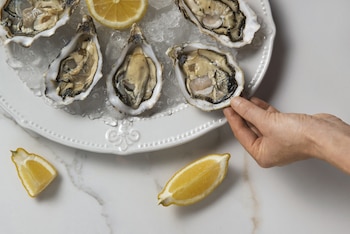
Many classic aphrodisiacs — oysters, strawberries, chocolate — are deeply rooted in cultural symbolism, imagery, and tradition. But do they truly cause sexual arousal on their own? Experts say the answer is more nuanced. (infobae)

Aphrodisiacs: Myth vs. Physiology
According to sexologists, nutritionists, and chefs, what we call aphrodisiacs derive their reputation not from magical powers but from two main influences:
Psychological and symbolic meaning
Some foods have sensual shapes, textures, and cultural histories (like oysters resembling human anatomy) that may activate the imagination and emotions around sex. (infobae)Physiological effects on the body
Certain nutrients and compounds can influence physiological processes related to sexual function — such as blood circulation, hormone balance, energy levels, stress reduction, and neurotransmitter activity. These effects, over time, may help support libido rather than instantly trigger it. (infobae)
What Foods Can Support Sexual Desire
There is no single magical food that makes libido instantly surge. However, many foods contribute to bodily systems that are important for healthy sexual function:
1. Leafy Greens and Vegetables
Spinach, chard, and other leafy greens contain nutrients that help improve circulation — a key factor in sexual arousal and performance. Better blood flow promotes oxygen delivery throughout the body, including the genital region. (infobae)
2. Nuts and Seeds
Nuts such as almonds, walnuts, and seeds are rich in magnesium, healthy fats, and zinc — minerals linked to energy, hormone production, and neurotransmitter regulation. These micronutrients support overall vitality and may indirectly help libido. (infobae)
3. Fatty Fish
Omega-3 rich fish (like salmon or mackerel) support hormonal balance and cardiovascular health, which are foundational to libido and physical responsiveness. (infobae)
4. Foods Rich in Tryptophan
Foods like eggs, bananas, and turkey contain tryptophan — a precursor to serotonin, a neurotransmitter that influences mood, relaxation, and well-being. When stress decreases and mood improves, desire may follow. (infobae)
5. Dark Chocolate
Dark chocolate (high in cocoa content) can stimulate release of feel-good chemicals such as serotonin and phenylethylamine, which are associated with pleasure and reward. While it’s not a guaranteed libido booster, it can enhance mood and intimacy when shared. (infobae)
6. Spices and Flavor Boosters
Some spices — like chili peppers — trigger the release of endorphins and adrenaline, increasing heart rate and giving a sense of warmth and excitement. This can contribute to arousal when paired with a romantic setting. (infobae)
Beyond Individual Foods: Overall Diet Matters
Experts emphasize that a healthy, balanced diet over time influences sexual desire far more than occasional consumption of supposed aphrodisiacs. Maintaining steady energy, reducing inflammation, stabilizing blood sugar, and lowering stress hormones like cortisol all contribute to a healthy libido. (infobae)
For instance:
Stable blood glucose helps sustain energy and avoids irritability and fatigue. (infobae)
Healthy gut function supports optimal nutrient absorption, which influences hormone synthesis and mood. (infobae)
Reduced stress frees the body from survival mode, where pleasure and desire become lower priorities. (infobae)
The Ritual of Eating Together
Importantly, eating with a partner is itself a social and emotional experience that fosters intimacy. Sharing food can strengthen connection and trust, which are core ingredients of sexual desire. In many ways, the context in which food is eaten — atmosphere, attention, comfort — may matter just as much as the nutrients on the plate. (infobae)
Conclusion: Diet Supports but Doesn’t Guarantee Desire
While there is no single “love-food” that magically increases libido on the spot, many foods and nutrients support the physiological foundations of sexual health — including circulation, hormone balance, energy, and mood. Coupled with emotional connection and shared experiences, diet can play a meaningful role in overall sexual well-being.
Remember: a healthy lifestyle — including regular movement, good sleep, stress management, and balanced nutrition — builds a foundation in which desire is more likely to flourish. (infobae)
Food and Sexual Desire: What Science Says About Aphrodisiacs, From Spinach to Dark Chocolate
For centuries, cultures around the world have linked certain foods to romance and sexual desire. Oysters, strawberries, and chocolate have long been labeled “aphrodisiacs,” featured in Valentine’s dinners and date-night menus. But modern science paints a more nuanced picture: libido is influenced less by any single food and more by overall nutrition, cardiovascular health, and psychological well-being.
Recent discussions among nutritionists and sexologists highlight a growing consensus — diet can support sexual health, but it does not act as a quick-fix trigger for desire.
Aphrodisiacs: Symbolism vs. Biology
Historically, many aphrodisiacs earned their reputation from symbolism. Oysters resemble human anatomy, strawberries evoke sensuality, and chocolate is associated with pleasure and indulgence. These associations can influence mood and expectation, which themselves play a role in desire.
Biologically, however, sexual arousal depends on hormone regulation, blood flow, nerve signaling, and emotional state. Foods that support these systems may indirectly help libido over time.
Researchers frequently note that the brain — not the plate — is the primary sexual organ. Context, attraction, emotional intimacy, and stress levels often outweigh any specific ingredient.
What Research Suggests
Medical and nutrition experts affiliated with institutions such as Harvard Medical School and Mayo Clinic emphasize that heart health and sexual health are closely linked. Good circulation is essential for arousal in both men and women, and diet strongly affects vascular function.
Studies published in The Journal of Sexual Medicine have also explored how lifestyle factors — including diet, exercise, and sleep — correlate with sexual satisfaction and function. While no universal “libido diet” exists, patterns such as the Mediterranean-style diet show positive associations with cardiovascular and metabolic health, which indirectly support sexual well-being.
Foods That Support Sexual Health
Leafy Greens
Spinach, arugula, and chard contain nitrates and magnesium, which help blood vessels relax and improve circulation. Better circulation supports physiological arousal.
Nuts and Seeds
Almonds, walnuts, pistachios, and pumpkin seeds provide zinc, selenium, and healthy fats. Zinc is particularly important for testosterone production and hormone balance.
Fatty Fish
Salmon, sardines, and mackerel are rich in omega-3 fatty acids, known to support heart health and reduce inflammation — both relevant to sexual function.
Dark Chocolate
High-cocoa chocolate contains flavonoids and compounds linked to mood regulation. It may enhance feelings of pleasure and relaxation, though its effect is psychological more than hormonal.
Fruits Rich in Antioxidants
Berries, pomegranates, and citrus fruits support vascular health and help combat oxidative stress.
Spices
Chili peppers and ginger can temporarily raise heart rate and stimulate endorphins, creating a mild sense of excitement.
Myths vs. Evidence
Myth: Certain foods instantly increase sexual desire.
Evidence: No food creates immediate libido. Effects are gradual and supportive.
Myth: Aphrodisiacs work the same for everyone.
Evidence: Libido varies widely by individual, hormones, age, stress, and relationship factors.
Myth: Expensive or exotic foods are more effective.
Evidence: Everyday nutritious foods provide the same or greater benefits.
Libido-Friendly Meal Ideas
1. Mediterranean-Style Dinner
Grilled salmon, spinach salad with olive oil, mixed nuts, and berries for dessert.
2. Light Romantic Meal
Avocado toast with pumpkin seeds, citrus salad, and dark chocolate squares.
3. Energy-Boosting Breakfast
Greek yogurt with walnuts, honey, and strawberries.
These meals support stable energy and cardiovascular health — both important for sexual vitality.
The Bigger Picture
Sexual desire is shaped by sleep quality, mental health, relationship dynamics, and stress levels as much as by diet. A nutrient-dense eating pattern helps regulate hormones, maintain energy, and support mood — creating conditions where desire is more likely to flourish.
In other words, it’s not just strawberries and chocolate. Spinach, nuts, fish, and balanced meals may be less glamorous, but they contribute far more to long-term sexual health.


0 Comments