
She filmed the violent repression in Iran. Now he is afraid to leave the house
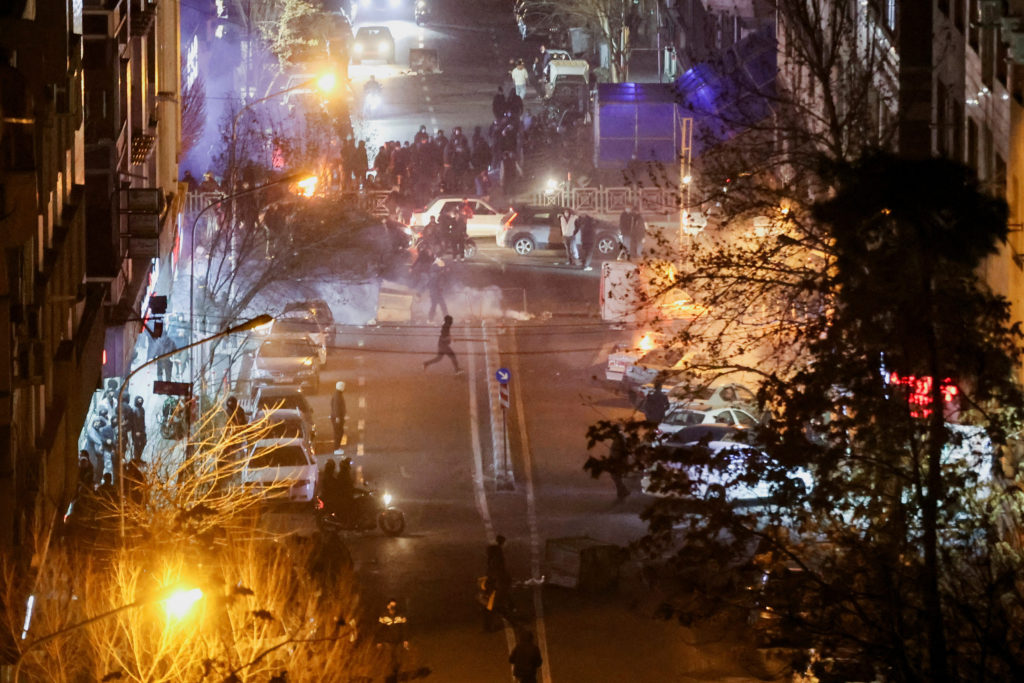
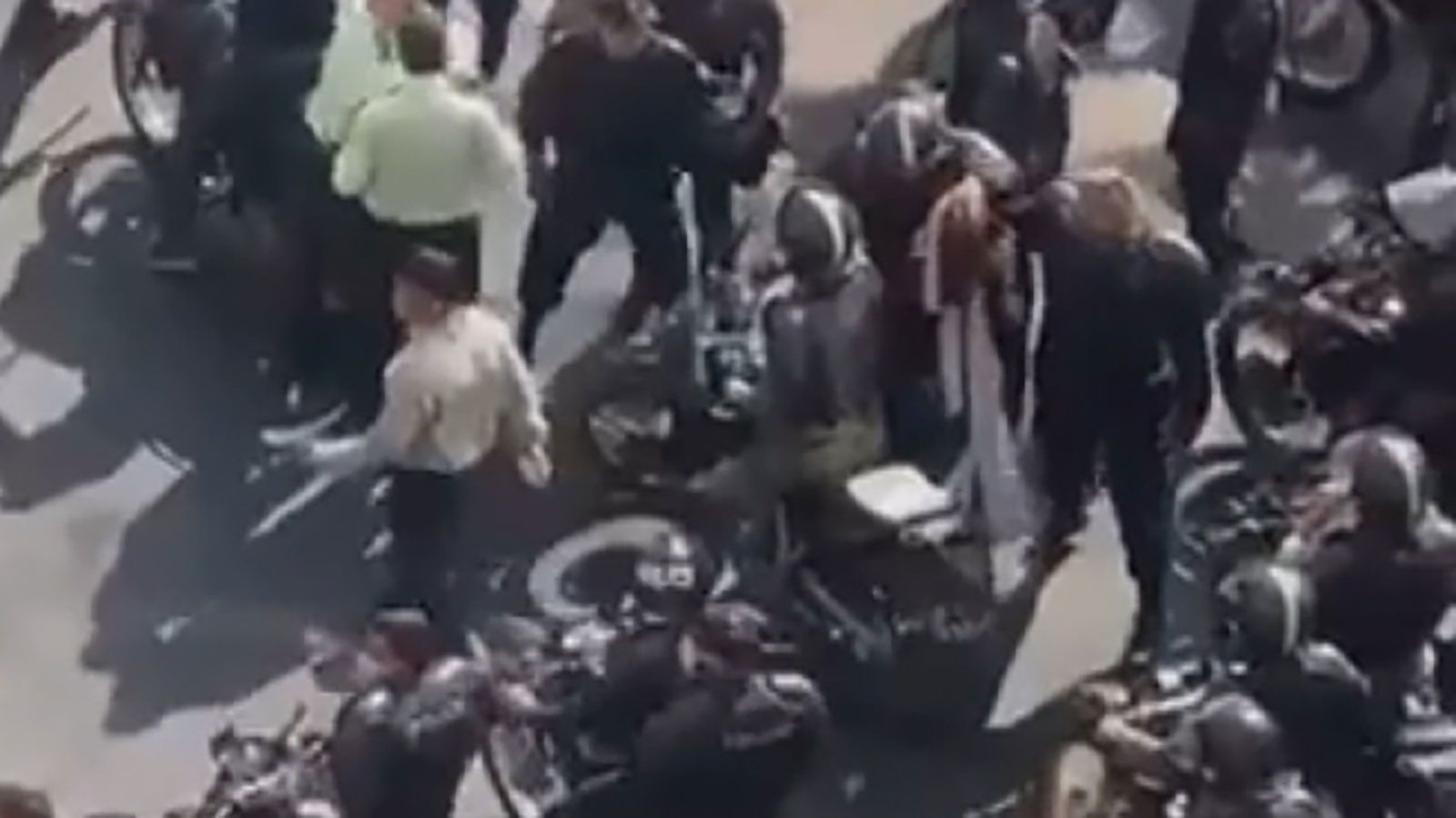
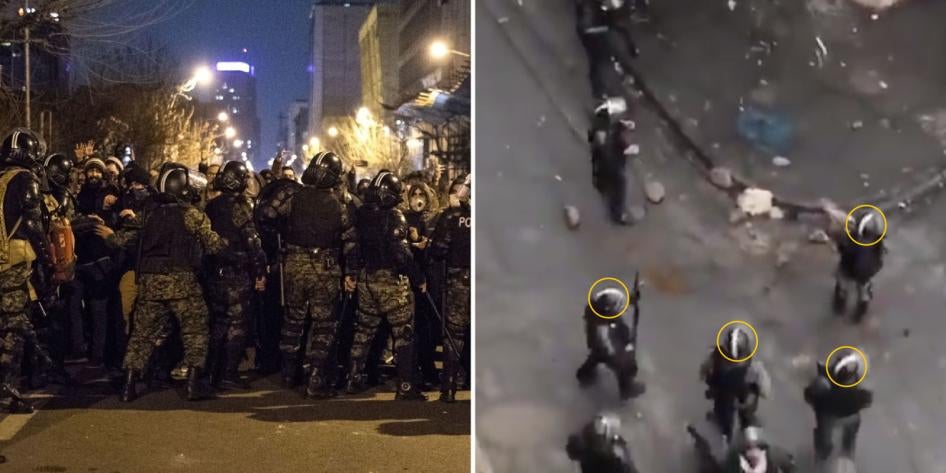
BEIRUT / TEHRAN — When he started recording with his mobile phone that night, he did not imagine that those images would change his life forever. The 37-year-old Iranian woman captured scenes of a violent repression against protesters in her city, recording shots, screams and the advance of security forces. Today, weeks later, she lives locked up, in constant fear, avoiding even going out to buy food.
The recordings, shared privately with a relative abroad and later broadcast by international media, show security agents dispersing the crowd with tear gas and live ammunition. In the videos you can hear explosions, people running and voices trying to remain calm in the midst of chaos.
“At that time I thought that recording was a way to protect ourselves, to show the world what was happening,” he wrote in a later message. “Now I feel like that same truth put me in danger.”
A repression that left its mark
The protests, which broke out after months of social and political unrest, spread to dozens of Iranian cities. Authorities responded with a heavy police presence, mass arrests and severe restrictions on internet access, a tactic used in the past to limit the spread of information.
Human rights organizations estimate that thousands of people have been detained and that the death toll could be significantly higher than officially recognized, although exact figures are difficult to verify due to state control over media and communications.
The woman, who is neither an activist nor a professional journalist, participated in the protest as an ordinary citizen. “I left because I could no longer remain silent,” she said. “I never thought I would end up being afraid to even look out the window.”
Living in fear
Since the night he recorded the repression, his routine changed drastically. He moved to a relative's house and avoids any unnecessary travel. The sound of footsteps in the building or a knock on the door makes you anxious. You've deleted contacts, deleted apps, and limited phone use to a minimum.
“Going out on the street is no longer normal,” he wrote in another message. “When we see people in uniform, we feel like anyone can disappear.”
Trauma specialists point out that this type of persistent fear is a frequent consequence of violent repression. “It is not just about the real risk of arrest, but the psychological impact of having witnessed extreme violence,” explained an Iranian psychologist who requested anonymity.
Silence as a strategy
Iranian authorities maintain they acted to preserve public order and accuse foreign actors of fomenting unrest. However, the combination of physical repression and information control has generated a climate of forced silence.
Despite this, citizens like this woman continue to document the events, even at the risk of their safety. His videos, although recorded with trembling hands and poor lighting, have become one of the few windows into what is happening on the Iranian streets.
“What hurts the most,” he wrote, “is that now we are afraid to even tell what we saw.”
A life suspended
Today, her biggest fear is not only being arrested, but losing the possibility of a normal life. "Before I thought about work, about the future. Now I think about how to go unnoticed," she confessed.
His story reflects the reality of many Iranians who, after documenting or participating in the protests, live trapped between the desire for justice and the fear of consequences. In a country where recording can become an act of defiance, the price of revealing the truth can be isolation, silence and constant fear.


0 Comments