
**Cubans face blackouts and shortages as the energy crisis worsens due to oil restrictions**
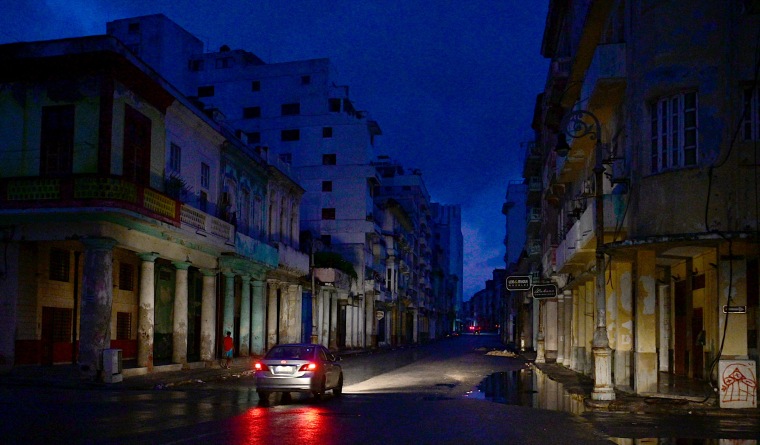
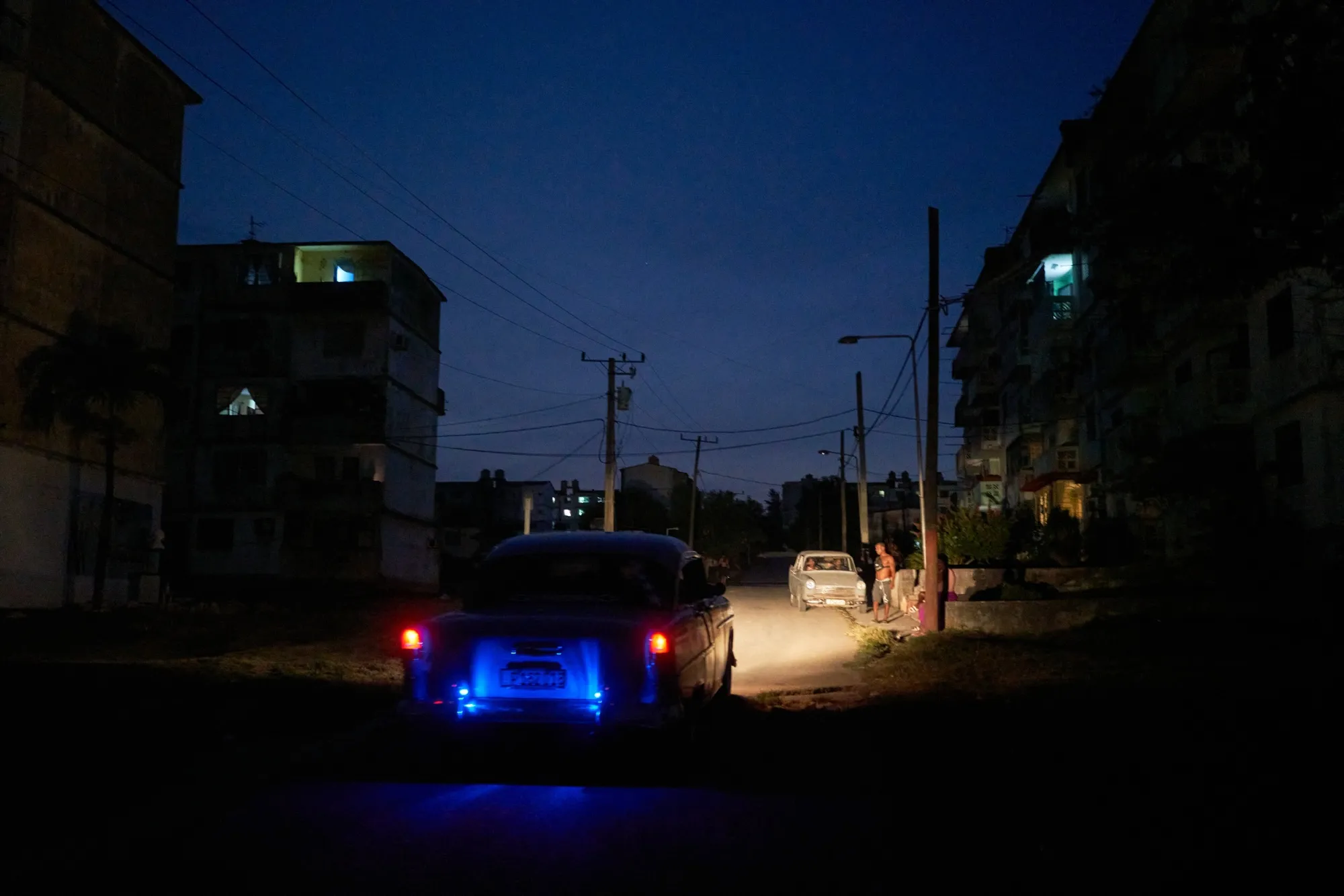
HAVANA (IP NEWS — Prolonged blackouts and fuel shortages have intensified in Cuba in recent weeks amid increasing difficulties accessing oil supplies, a situation authorities attribute to the U.S. embargo.
In several provinces, power outages exceed 12 hours a day, affecting public transportation, food production and the operation of hospitals and schools, which increasingly depend on electrical generators.
“We live organizing life around the blackouts,” said Marta Rodríguez, a resident in the east of the country. “We no longer know what else can be cut.”
The Cuban Government maintains that US sanctions limit access to energy markets, make transportation contracts more expensive and make agreements with international suppliers difficult. Washington affirms that the sanctions do not prohibit humanitarian exports, although it recognizes their impact on the Cuban economy.
Economists point out that the crisis also reflects structural problems, such as obsolete thermoelectric plants and lack of investment, aggravated by the shortage of foreign currency.
For many Cubans, the combination of blackouts, inflation and shortages has deepened social unrest, while the country looks for alternatives to sustain its electrical system.
*(Economic-political approach, data, clear attribution, neutral language)*
**Restrictions on oil supply aggravate energy crisis in Cuba**
HAVANA, Cuba is facing one of its worst energy crises in years, marked by prolonged blackouts and fuel shortages, as oil supplies dwindle amid U.S. sanctions and financial constraints.
Authorities have implemented power cuts of up to 14 hours a day in some regions, affecting transportation, industry and basic services. Energy officials said the restrictions make it difficult to hire ships and make fuel imports more expensive.
The United States Government maintains that its sanctions allow humanitarian transactions and do not prohibit the sale of food or medicine, although experts indicate that the measures increase the risks and costs for suppliers.
Analysts consulted point out that the crisis is a consequence of a combination of external sanctions, deteriorated infrastructure and a prolonged shortage of foreign currency, exacerbated by the decline in tourism and exports.
The energy crisis comes on top of high inflation and record migration from the island, increasing pressure on the Government to stabilize the electricity supply and the economy.
*(Narrative, social, regional focus, moderate critical tone)*
**Cuba resists blackouts and shortages as the energy crisis deepens**
Havana.— The energy crisis that Cuba is going through has worsened in recent months, with prolonged blackouts, fuel shortages and a growing impact on the daily life of the population, in a context marked by United States economic sanctions and internal structural problems.
In different provinces, electricity outages extend for more than 12 hours, affecting public transportation, agricultural production and the operation of essential services such as hospitals and schools.
“We have become accustomed to living with the minimum,” says Marta Rodríguez, a resident of Santiago de Cuba. “But every day it is more difficult.”
The Cuban Government denounces that the economic blockade limits access to energy markets and international financing, while specialists warn that the lack of investment in the electrical system and the deterioration of thermoelectric plants aggravate the situation.
The energy crisis is added to the rise in food prices, inflation and mass migration, creating one of the most complex moments for the island in decades.


0 Comments