

🔬 Science
The 5,000-Kilometer Mystery: How a Galápagos Albatross Defied the Limits of Its Species
An extraordinary sighting has left scientists both astonished and concerned: a Galápagos albatross was recorded flying nearly 5,000 kilometers beyond its typical habitat, marking one of the most unusual movements ever documented for the species.
The Galápagos albatross — normally confined to waters around the Galápagos Islands — is known for its highly specific breeding and feeding range in the eastern Pacific. Unlike many other albatross species that roam vast oceanic expanses, this one traditionally follows a more predictable migratory pattern.
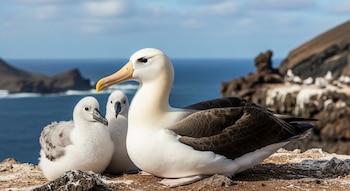
A Flight That Shouldn’t Have Happened
According to international researchers cited by National Geographic, this individual traveled far outside its established ecological corridor. Satellite tracking data revealed a journey that challenged long-held assumptions about the species’ range and navigational behavior.
Scientists are now investigating whether unusual ocean currents, shifting wind systems, or changes in food availability influenced the bird’s route.
Climate Change and Adaptive Behavior
The sighting has reignited debate about how seabirds are adapting to climate change. Rising sea temperatures and altered marine ecosystems may be forcing species to explore new territories in search of sustenance.
Researchers caution that while such long-distance travel demonstrates remarkable resilience and navigational capability, it may also signal environmental stress. Changes in prey distribution, overfishing, and warming waters can disrupt established migratory patterns, pushing wildlife into unfamiliar and potentially risky areas.

Los especialistas destacan que el albatros utiliza el sol, el olfato y la detección de sonidos de baja frecuencia para orientarse en largas migraciones (Imagen Ilustrativa Infobae)
A Warning from the Skies
The unprecedented journey serves as both a scientific breakthrough and a potential warning sign. Understanding whether this was an isolated anomaly or the beginning of a broader behavioral shift could help researchers anticipate how vulnerable marine species will respond to accelerating climate pressures.
For now, the albatross’s improbable flight stands as a powerful symbol of both nature’s adaptability — and the growing uncertainties facing ocean ecosystems.


0 Comments