

Weather warnings anticipate delays, cancellations, and possible temporary closures at high-traffic terminals over the weekend.
A major winter storm is causing disruptions to operations at major U.S. airports over the weekend, affecting millions of passengers and testing airport emergency protocols. The weather event, which began impacting the region on Friday, January 23, is altering flight schedules at key terminals in the South, Midwest, and Northeast of the country, during one of the busiest seasons for domestic and international air travel.
The National Weather Service (NWS), through its Aviation Weather Center (AWC), issued warnings and impact maps for major airports across the country, anticipating that the storm would cause delays, cancellations, and possible temporary closures of air terminals. According to reports from Newsweek and confirmed by the AWC, the weather phenomenon initially affected Texas and Oklahoma, before moving east and northeast, reaching high-traffic terminals such as Dallas-Fort Worth, Atlanta, New York, and Boston.
During recent winters, similar episodes have demonstrated the vulnerability of airport infrastructure to extreme weather events, according to AP News. The current situation reflects a pattern of winter storms that, due to their magnitude and geographical extent, generate ripple effects on air connectivity and transportation logistics nationwide.
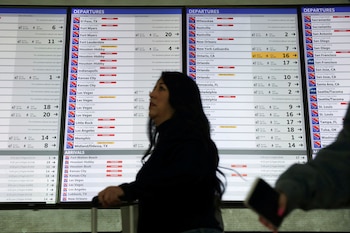
Which airports will be most affected by the winter storm in the United States?
The storm is directly impacting a group of terminals considered strategic within the U.S. airport network. According to the Aviation Weather Center (AWC) of the National Weather Service (NWS), the following airports are experiencing the greatest impact:
Dallas-Fort Worth International Airport (Texas)
Hartsfield-Jackson Atlanta International Airport (Georgia)
John F. Kennedy International Airport and LaGuardia Airport (New York)
Boston Logan International Airport (Massachusetts)
Memphis International Airport (Tennessee)
St. Louis Lambert International Airport (Missouri)
Kansas City International Airport (Missouri)
Nashville International Airport (Tennessee)
Cincinnati/Northern Kentucky International Airport (Ohio)
Charlotte Douglas International Airport (North Carolina)
Raleigh-Durham International Airport (North Carolina)
Washington Dulles International Airport and Ronald Reagan Washington National Airport (Washington, D.C.)
Pittsburgh International Airport (Pennsylvania)
Philadelphia International Airport (Pennsylvania)

The AWC anticipates that, due to the severity of the storm, airports in the southern and central United States will face the first complications, while terminals in the Northeast will experience delays and cancellations as the system moves eastward.
“Many U.S. airports will be affected until Monday morning,” the Aviation Weather Center warned in its latest update, as quoted by Newsweek.
What kind of disruptions do airports experience due to winter storms?
Winter storms can cause multiple disruptions to airport operations, including:
Massive delays in takeoff and landing schedules.
Flight cancellations due to adverse weather conditions.
Temporary runway closures due to snow or ice accumulation.
Logistical problems resulting from the repositioning of aircraft and crews.
Delays in passenger service due to the saturation of information and assistance services.
NYC Emergency Management noted that “severe winter weather can affect airport operations, de-icing, runway conditions, crew availability, and air traffic nationwide.” Even flights outside the Northeast may be impacted if aircraft and crews are unable to reposition in time. “There will be many delays and cancellations,” Tom Kines, a senior meteorologist at AccuWeather, told Newsweek. The specialist emphasized that the number of affected airports and the duration of the weather event increase the risk of widespread disruptions.

What preparedness measures do airports take in the face of winter storms?
U.S. airports have implemented emergency protocols to mitigate the effects of the storm. Raleigh-Durham International Airport reported on its official channels that preparation for winter weather begins well before the arrival of snow or ice, keeping runways, roads, and sidewalks clear thanks to specialized equipment.
Dallas Love Field Airport was one of the first to warn that “expected winter weather could affect flights in the coming days” and advised travelers to check with their airlines for updated information on delays and cancellations.
How many passengers and flights are affected by the storms at key airports?
According to Federal Aviation Administration (FAA) records, the most affected airports handle hundreds of thousands of passengers and thousands of flights daily. During previous winter storms, the number of canceled or delayed flights exceeded 7,000 per day, according to FlightAware data cited by AP News.
The impact is not limited solely to the airports directly affected by the storm. Disruptions to air traffic can extend to other regions, as the lack of available aircraft and crew affects the operation of domestic and international routes.
A list of affected airports includes high-traffic terminals such as Dallas-Fort Worth, which under normal conditions handles more than 200,000 passengers daily, and Hartsfield-Jackson Atlanta, considered one of the busiest airports in the world.
What recommendations are authorities issuing for travelers?
Federal and state authorities advise travelers to stay informed through official sources, such as airport websites and the social media accounts of airlines and emergency agencies.
The Aviation Weather Center reiterated that “a significant winter storm is still on track for this weekend. Many U.S. airports will be affected through Monday.” Authorities recommend:
Checking flight status before going to the airport.
Setting up flight alerts and monitoring official updates.
Considering flexible itineraries and anticipating the possibility of last-minute changes.
Staying attentive to instructions from airlines and airport authorities.
NYC Emergency Management posted: “Flight delays and cancellations are possible throughout the region starting Friday and throughout the storm.”
How is the situation evolving and what is expected for the coming days? The weather system will continue moving northeast throughout the weekend, with adverse conditions expected to persist until Monday, according to the Aviation Weather Center and reports from Newsweek. Airlines and airports are maintaining communication with passengers and regularly updating flight conditions and operational restrictions.
As the storm moves on, affected airports are expected to gradually resume operations, prioritizing flight safety and the restoration of normal schedules.
The impact on travelers means they should constantly check official information, adjust their travel plans, and anticipate further delays as airport operations resume.


0 Comments