
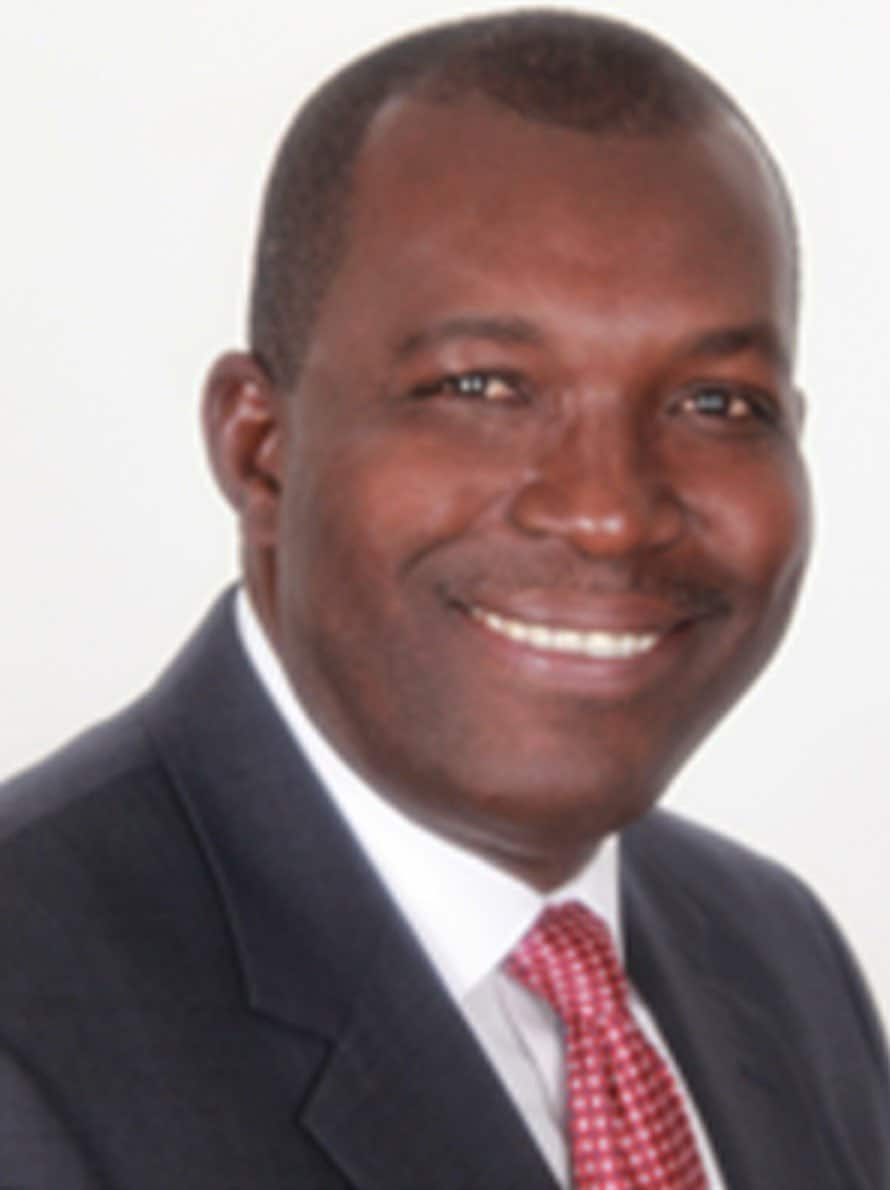
U.S. Moves to Strip Citizenship From Former Miami Mayor in Major Immigration Fraud Case
Miami, Florida — The U.S. Department of Justice has filed a federal lawsuit seeking to revoke the American citizenship of Philippe Bien-Aime, the Haitian‑born former mayor of North Miami, after alleging he obtained legal status and naturalization through identity deception and fraudulent marriage. (Departamento de Justicia)
The complaint was lodged on February 18 in the U.S. District Court for the Southern District of Florida, as part of a broader effort by the Trump administration to step up denaturalization actions against individuals accused of immigration fraud. (Departamento de Justicia)
Allegations of Fraud and Identity Misrepresentation
According to court filings, Bien‑Aime first entered the United States in 2000 using a passport that had been altered to switch photographs, under the name Jean Philippe Janvier. An immigration judge later ordered his deportation under that identity, but federal prosecutors say Bien‑Aime never left the country. Instead, he allegedly assumed a new identity with a different name and date of birth. (Departamento de Justicia)
Under the name Philippe Bien‑Aime, authorities allege, he married a U.S. citizen to obtain permanent residency — despite still being married to a woman in Haiti — and made “numerous false and fraudulent statements” during immigration interviews that culminated in naturalization in 2006. (Departamento de Justicia)
Prosecutors say that because Bien‑Aime was subject to a final removal order and engaged in documented misrepresentation, he was never eligible for citizenship. The government argues that his naturalization, built upon alleged fraud, should be revoked as if it was never lawfully obtained. (Departamento de Justicia)
Political and Legal Fallout
The case has drawn particular attention because Bien‑Aime served as mayor from 2019 to 2022 and later campaigned for the Miami‑Dade County Commission. Local officials say they were unaware of the allegations when he held office. (The American Bazaar)
Under North Miami’s city code, only U.S. citizens can legally hold elective office, raising questions about actions taken during his tenure if the denaturalization effort succeeds. (CNW Network)
Broader Enforcement Context
Justice Department officials have framed the lawsuit as part of a larger strategy to pursue individuals who allegedly gained citizenship through fraud — including false identities, fraudulent marriages, and misleading statements to immigration officials. (AOL)
Fingerprint comparisons conducted through a joint initiative between the Department of Homeland Security and U.S. Citizenship and Immigration Services were key in linking Bien‑Aime’s two identities, according to prosecutors. (Departamento de Justicia)
Response and Next Steps
Bien‑Aime’s legal team has stated that they are reviewing the complaint and plan to respond through appropriate legal channels but have not offered further public comment. (Univision)
The case will be heard in federal court, and no determination of liability has yet been made. Observers note that successful denaturalization efforts are rare but can carry significant legal and political implications when pursued. (Departamento de Justicia)
This move by federal authorities marks a notable escalation in immigration enforcement efforts and could spark broader debate over eligibility, fraud prevention, and the limits of citizenship rights in the United States.


0 Comments