
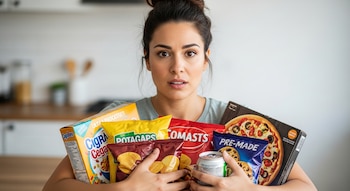
Alarm Among Experts: Ultra-Processed Foods Now Make Up 50% of the U.S. Diet
Washington, D.C. — Health experts across the country are raising concerns as ultra-processed foods now account for roughly half of daily caloric intake in the United States, a trend that specialists link to rising rates of chronic disease and long-term public health risks.
According to researchers and nutrition analysts, products classified as ultra-processed — including packaged snacks, sugary beverages, frozen ready meals, and industrial baked goods — have become staples in American households due to convenience, affordability, and aggressive marketing.
Health Risks Under Scrutiny
Medical professionals warn that excessive consumption of ultra-processed foods is associated with obesity, type 2 diabetes, cardiovascular disease, and certain forms of cancer. These products often contain high levels of added sugars, refined grains, sodium, and artificial additives while lacking essential nutrients and fiber.
Public health officials from the Centers for Disease Control and Prevention have repeatedly emphasized the importance of balanced diets rich in whole foods such as fruits, vegetables, legumes, and lean proteins.
Meanwhile, the Food and Drug Administration continues to face scrutiny from advocacy groups who argue that stronger labeling requirements and marketing restrictions are needed, particularly to protect children and vulnerable populations.

Los
alimentos ultraprocesados están ligados al aumento de enfermedades
crónicas como diabetes tipo 2, hipertensión y obesidad en Estados Unidos
(Imagen ilustrativa Infobae)
Economic and Social Factors
Experts note that the dominance of ultra-processed foods is not solely a matter of consumer choice. Economic pressures, food deserts, long working hours, and limited access to fresh produce all contribute to the trend.
“Convenience has become a driving force in dietary habits,” said one nutrition policy analyst. “But the long-term health costs may far outweigh the short-term savings.”

El
acceso limitado a alimentos frescos en los desiertos alimentarios
complica la adopción de dietas saludables en comunidades estadounidenses
(Imagen Ilustrativa Infobae)
Calls for Policy Reform
Health advocates are urging policymakers to consider stricter regulations on advertising, clearer front-of-package warnings, and incentives to make fresh foods more accessible and affordable.
As chronic disease rates continue to climb, the debate over ultra-processed foods is increasingly viewed as a central issue in America’s broader public health strategy.
For many specialists, the data serve as a wake-up call: without meaningful intervention, the nation’s dietary patterns could have lasting consequences for future generations.


0 Comments