
United States Pressures Venezuela to Advance Investigations Into Maduro’s Son and Top Chavista Figures

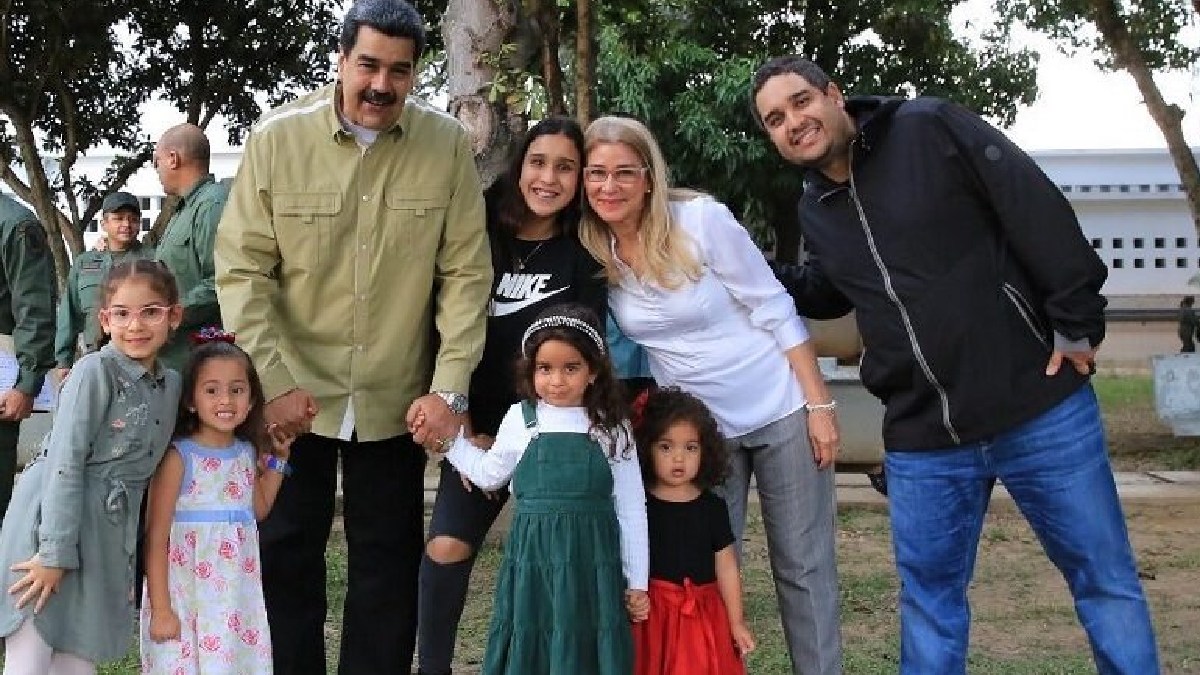


The United States has formally urged Venezuela to move forward with criminal investigations against the son of Nicolás Maduro and eight other senior figures of the former chavista regime, according to sources familiar with the matter. The request is part of Washington’s broader effort to secure judicial cooperation in ongoing cases led by U.S. federal courts.
The pressure follows the capture of Nicolás Maduro in Caracas, an unprecedented development that has reshaped political dynamics in the country. In the wake of that operation, the administration of Donald Trump has intensified contacts with Venezuelan authorities, seeking documents, financial records, and testimony to support investigations related to corruption, drug trafficking, and transnational organized crime.
Focus on Delcy Rodríguez
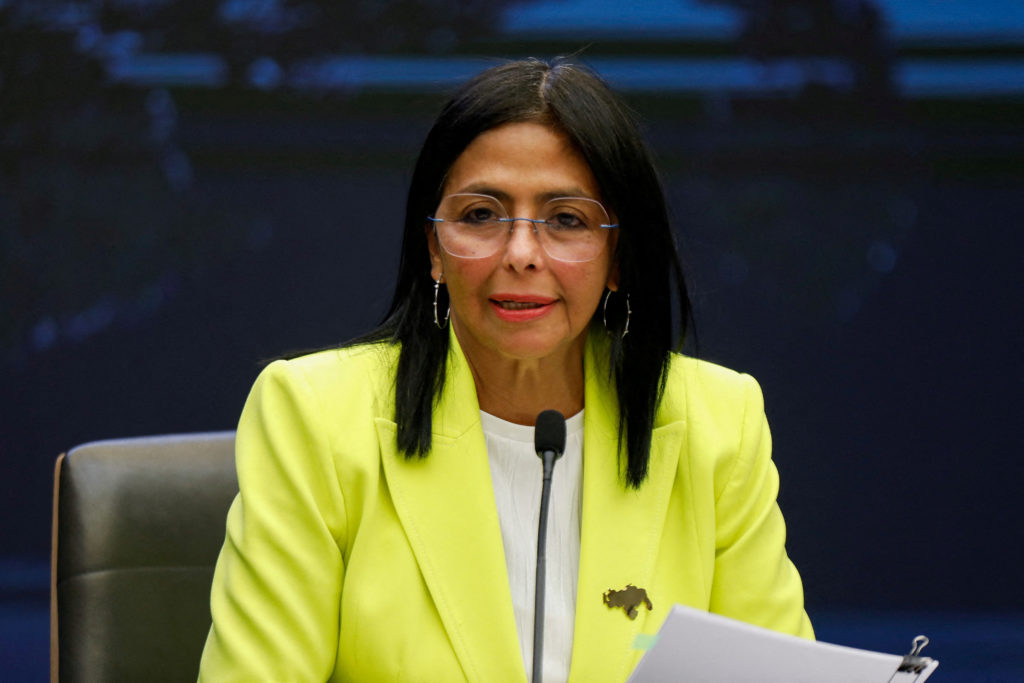
U.S. officials have directed much of their diplomatic and legal pressure toward Delcy Rodríguez, who currently holds a central role within the Venezuelan power structure. Washington expects her administration to demonstrate tangible cooperation by enabling access to evidence and facilitating legal proceedings against individuals long accused of shielding illicit networks within the state.
According to U.S. sources, cooperation would include:
Sharing banking and asset-tracing information
Allowing judicial interviews and depositions
Supporting extradition or joint investigative mechanisms, where applicable
A Turning Point in U.S.–Venezuela Relations
The move signals a dramatic shift in bilateral relations. For years, U.S.–Venezuela ties were defined by sanctions, diplomatic isolation, and mutual accusations. Now, Washington is testing whether post-Maduro authorities are willing to break with the past and align with international legal standards.
Analysts note that meaningful cooperation could open the door to gradual normalization, including sanctions relief and renewed economic engagement. Failure to comply, however, could trigger renewed pressure and legal action against remaining chavista leaders abroad.
Broader Implications
Beyond Venezuela, the case carries regional significance. It underscores the U.S. commitment to pursuing accountability at the highest political levels and sends a signal to other authoritarian systems in the hemisphere that political power does not guarantee permanent immunity.
As U.S. investigations advance, the response from Caracas—particularly from Delcy Rodríguez—will determine whether this moment becomes a breakthrough for justice and institutional reform, or merely another chapter in a long history of confrontation between Washington and the chavista establishment.


0 Comments