


They discover new brain circuits linked to obsessive-compulsive disorder and open the door to more precise treatments
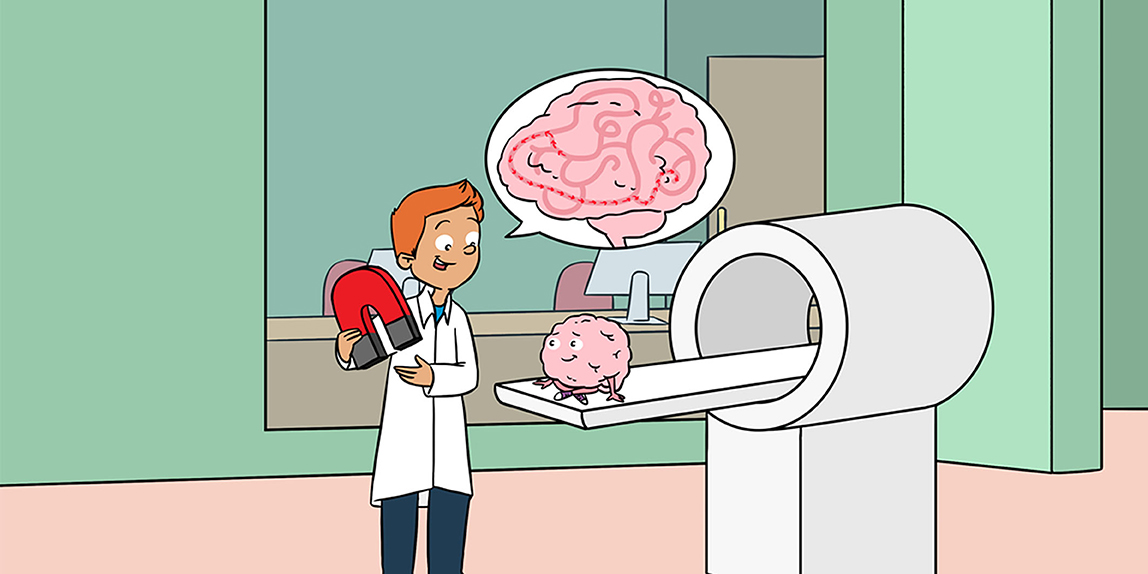
An international team of researchers has identified new brain circuits that could be involved in obsessive-compulsive disorder (OCD), a finding that could help improve available treatments for this condition. The study used advanced fMRI techniques to analyze the brain activity of people with OCD during everyday tasks.
The scientists observed that, compared to individuals without the disorder, people with OCD activate additional brain regions when performing simple activities that require control and decision-making. These areas include networks associated with emotional regulation, planning, and error evaluation, suggesting processing overload in situations that typically do not demand as much cognitive effort.
The finding allows us to better understand how the brains of those living with OCD process information and why obsessions and compulsions can be so persistent. According to the researchers, the extra activation of neural circuits could explain the difficulty in interrupting intrusive thoughts or repetitive behaviors, central characteristics of the disorder.
Neuroscience specialists point out that these results could have relevant clinical implications. By more precisely identifying the brain networks involved, it opens up the possibility of developing more targeted therapies, such as neuromodulatory interventions, personalized pharmacological treatments or cognitive-behavioral therapy programs adapted to the brain activity patterns of each patient.
Although researchers caution that more studies are needed to confirm the findings and fully understand their impact, the breakthrough represents an important step toward more effective treatments. In a context in which millions of people in the world live with OCD, better understanding the underlying brain mechanisms could help improve the quality of life of those who suffer from this disorder.


0 Comments