
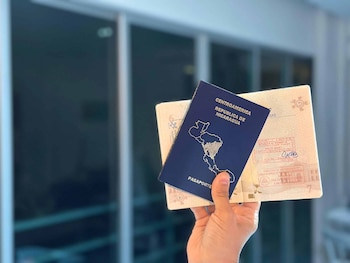
Nicaragua Imposes Visa Requirements for Citizens of 128 Countries, Including Cuba and Venezuela
**MANAGUA (ipu news)** — The Nicaraguan government announced Friday the imposition of a visa requirement for citizens of **128 countries**, including **Cuba, Venezuela, and several African and Asian nations**, in a decision that substantially alters the Central American country's immigration policy.
The new regulations, which take effect on **February 16**, require holders of ordinary passports from these nations to apply for a **consultative visa of category “C”** before entering Nicaraguan territory, according to an official statement from the Ministry of the Interior.
The measure expands immigration restrictions in a country that for years maintained a **visa-free entry policy for hundreds of nationalities**, including agreements with several allied states, and which had been used as a transit route for migrants heading to other countries in the region.
Changes and Exceptions
Nicaraguan authorities explained that the elimination of visa-free entry for these 128 countries is part of an effort to **reorganize and strengthen immigration control**, and that the list of nationalities subject to the new requirement was established in an administrative order issued by the General Directorate of Migration and Foreign Affairs.
The order also stipulates that **holders of diplomatic, official, or special passports** will be exempt from this requirement, provided there are **current bilateral agreements** with Nicaragua that include this exemption.
Among the affected countries are, in addition to Cuba and Venezuela, nations such as China, Iran, Haiti, North Korea, Iraq, and Libya, as well as a significant number of African and Asian countries that until now could enter without a visa or with simplified procedures.
The change does not include all countries; several countries in the Americas, Europe, and Oceania maintain visa exemptions, and the complete list of exemptions was published concurrently by Nicaraguan authorities.
Migration and Regional Context
Migration policy experts point out that this change is taking place within a context of **international pressures and shifts in migration flows**. In recent years, Nicaragua had become a transit point for citizens of countries like Cuba and Haiti seeking to continue their journey overland to Mexico and the U.S. border.
The United States, which faces difficulties controlling irregular migration to its southern border, had previously questioned Managua's open-access policy and expressed concern about irregular migrant flows using air and land routes through Central America.
According to the government, the new Nicaraguan policy allows for **greater oversight of entries into the country** and adheres to the principle of national sovereignty, although some analysts believe it could also be linked to external pressures, including U.S. migration diplomacy.
Impacts and Challenges
The visa requirement means that citizens of the affected countries will have to begin a process with Nicaraguan consular offices, where they will be asked for personal, financial, and travel purpose information before being granted entry.
The measure could have effects on sectors such as tourism and international business, as well as on regional migration routes, since many people will now have to **plan their entry into the country further in advance**.
Organizations dedicated to migration analysis warn that the changes could **deter some travel and complicate migration journeys**, but they also caution that **more dangerous alternative routes** could emerge for those attempting to circumvent official controls.
Immigration authorities announced that they are communicating the measure to consular offices, airlines, and transportation agencies to ensure compliance with the new requirements before they take effect in a few days.


0 Comments