
Iran Raises Tensions with the U.S. After Testing a New Missile in the Strait of Hormuz

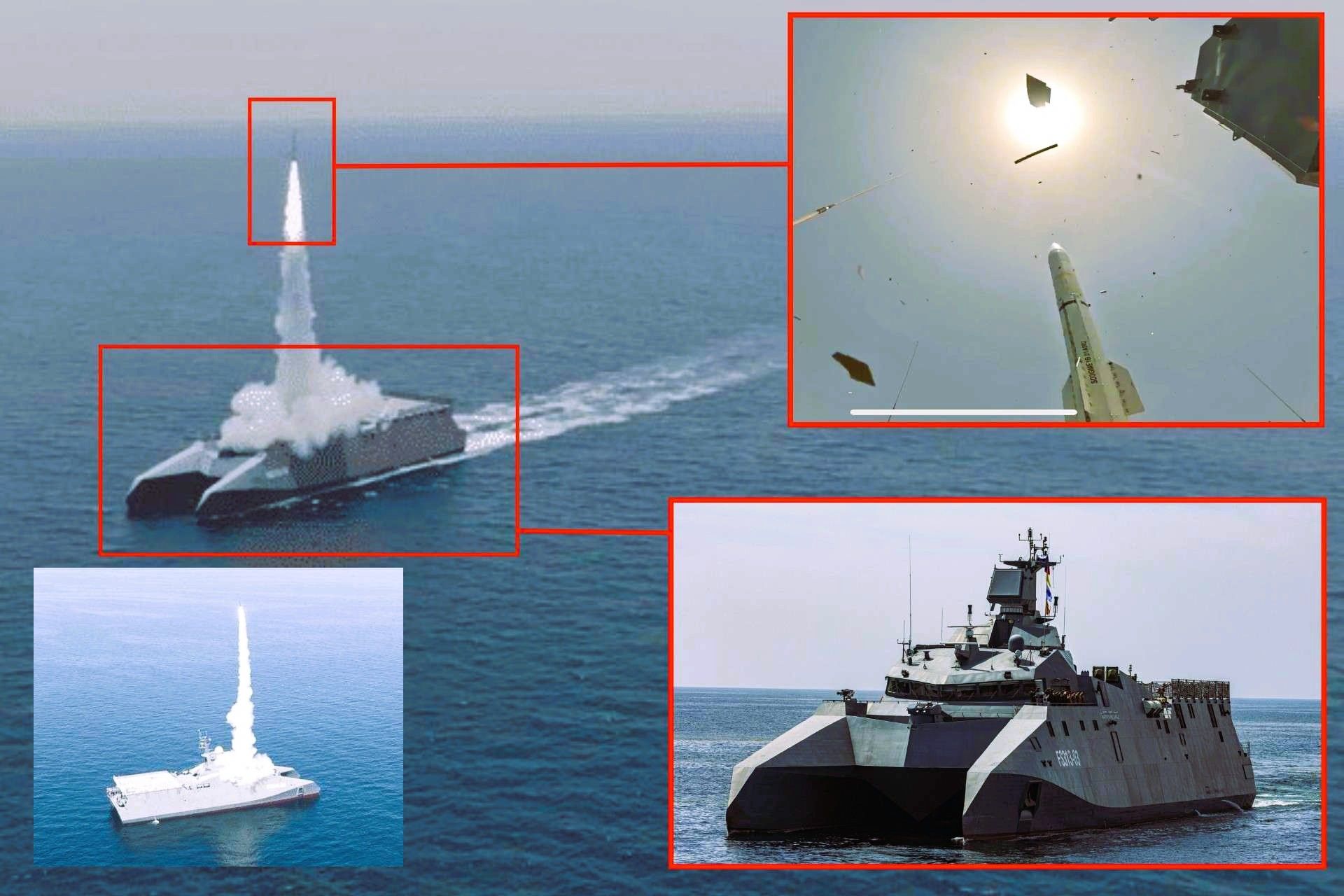


The regime in Iran has heightened regional tensions by testing a long-range Sayyad-3G missile during naval drills in the Strait of Hormuz, a critical global energy chokepoint. The launch was conducted from the warship Shahid Sayyad Shirazi as part of the exercises dubbed Intelligent Control of the Strait of Hormuz, organized by the Islamic Revolutionary Guard Corps.
What is known about the Sayyad-3G missile
Iranian officials describe it as a long-range system with advanced air-defense capabilities and a strong deterrent role.
State media say the test demonstrated naval–missile integration and improved guidance and range, though exact specifications have not been independently verified.
Why the Strait of Hormuz matters
It is one of the world’s most sensitive energy chokepoints, through which a significant share of global oil shipments pass.
Any military display there has immediate implications for markets and maritime security.
Reactions and context
The test comes amid heightened friction with the United States, which maintains a naval presence in the area and has repeatedly warned against threats to freedom of navigation.
United States and its allies typically view such drills as deterrence signaling and a demonstration of potential control over the waterway during crises.
Strategic takeaway
For Tehran, the exercise underscores defensive readiness and retaliatory capability.
For Washington and regional partners, it increases uncertainty and the risk of incidents in an already militarized zone.
In short, the Sayyad-3G launch from a naval platform in Hormuz raises the stakes in the Iran–U.S. standoff, with possible geopolitical and economic ripple effects if tensions continue to escalate.


0 Comments