
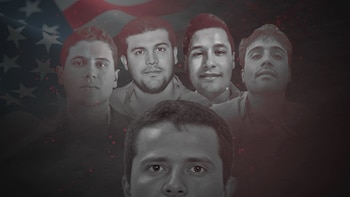
Mexico City — A new hypothesis from a security specialist suggests that members of Los Chapitos may have provided key intelligence that led to the capture of Nemesio Oseguera Cervantes, known as El Mencho, the alleged leader of the Jalisco New Generation Cartel (CJNG).
According to the analyst, the arrest could be the result of a complex web of betrayals and shifting alliances among Mexico’s most powerful criminal groups. At the center of the theory is Los Chapitos — a faction of the Sinaloa Cartel led by the sons of imprisoned drug lord Joaquín "El Chapo" Guzmán.
The expert argues that escalating territorial disputes and internal fractures within organized crime networks may have created incentives for rival groups to cooperate — directly or indirectly — with authorities. In this context, sharing the whereabouts of a high-profile adversary like El Mencho could weaken a competing organization and reshape the criminal landscape.

While there is no official confirmation supporting this version of events, security observers note that Mexico’s criminal underworld has increasingly been marked by temporary alliances, strategic betrayals, and intelligence leaks. These dynamics often blur the lines between confrontation and cooperation among rival factions.
Authorities have not commented on the alleged involvement of Los Chapitos in the operation. Investigations into the circumstances surrounding El Mencho’s capture remain ongoing.
If the hypothesis proves accurate, it would signal a major shift in the balance of power among Mexico’s cartels, potentially triggering new cycles of violence as groups reposition themselves in the aftermath of the arrest.
For now, the theory underscores the volatile and fluid nature of organized crime in Mexico — where today’s enemy can quickly become tomorrow’s tactical ally.


0 Comments