
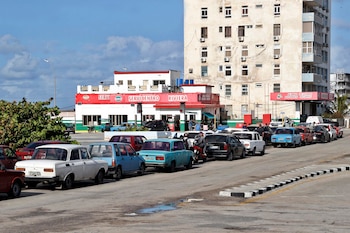
Blackouts, Inflation and Empty Tanks: Cuba’s Fuel Crisis Deepens Daily Struggles
Havana — Across Cuba, daily life has become an exercise in improvisation. Widespread power outages, limited public transportation and surging prices are reshaping routines as the island grapples with an acute fuel shortage that shows little sign of easing.
In neighborhoods from central Havana to provincial towns, rolling blackouts have become part of the rhythm of the day. Families plan meals around electricity schedules, small businesses close early to avoid losses, and students study by candlelight when the grid fails. Officials blame supply disruptions and financial constraints that have limited fuel imports, straining an already fragile energy infrastructure.

Transportation has emerged as one of the most visible symptoms of the crisis. With fewer buses running and gasoline scarce, long lines form at stops before dawn. Informal carpooling networks, bicycles and horse-drawn carts — once considered relics of the past — are increasingly common alternatives. For many workers, simply reaching their jobs has become a daily uncertainty.
At the same time, inflation continues to erode purchasing power. Prices for basic goods — from cooking oil to bread — fluctuate sharply, often rising faster than salaries. Private vendors adjust costs to reflect shortages, while state-run stores struggle to keep shelves stocked. Economists warn that prolonged fuel deficits could further disrupt supply chains, amplifying price pressures and deepening hardship.

The government has announced temporary measures, including energy-saving campaigns and efforts to secure additional fuel shipments. But skepticism remains among residents who have weathered repeated cycles of shortages in recent decades.
Despite the challenges, communities are adapting. Neighbors share generators, entrepreneurs shift to battery-powered devices, and families rely more heavily on remittances from relatives abroad. The resilience is evident — but so is the fatigue.
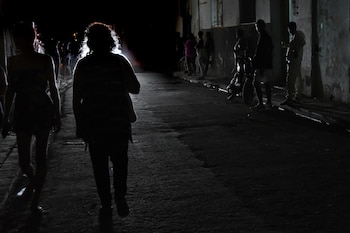
For many Cubans, the crisis is not defined by a single blackout or empty fuel pump, but by the cumulative weight of uncertainty: not knowing when the lights will return, when the next bus will arrive, or how far a paycheck will stretch in a rapidly shifting economy.


0 Comments